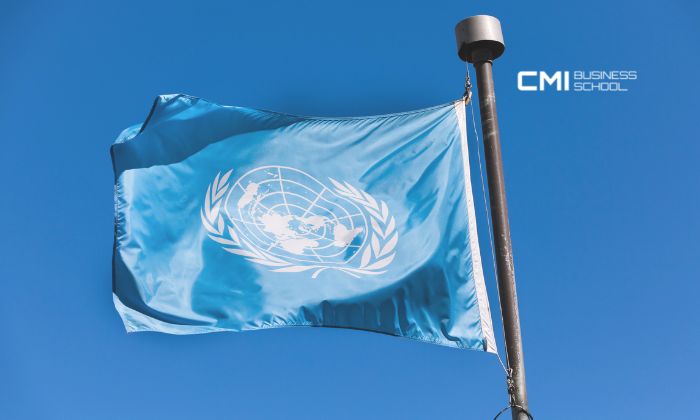
On 28 July the UN General Assembly adopted a resolution recognising access to a sustainable, clean and healthy environment as a universal human right.
The resolution is based on a text similar to the one adopted last year by the Human Rights Council, and calls on states, international organisations and companies to step up their efforts to guarantee a healthy environment for everyone.
What might change?
According to David Boyd, the UN Special Rapporteur on Human Rights and the Environment, the decision will change the very nature of human rights: “having a right to a healthy environment changes people’s perspective, from ‘begging’ to demanding that governments act,” Boyd argues.
The UN Secretary-General, António Guterres, said the initiative would help reduce environmental injustice, empower people — those in vulnerable situations above all — and prompt states to move faster in meeting their obligations.
It is worth noting, though, that the resolution is not legally binding: countries are under no legal obligation to comply with it. But it can serve as an enabler for a healthy, clean environment, and as a route by which citizens can demand greater accountability from their governments on the matter.
What threats does it address?
Humanity currently faces three principal environmental threats: climate change, pollution and the loss of biodiversity — with air pollution the leading cause of illness and premature death worldwide, killing more than seven million people every year.