Why it is worth working, day after day, at looking after, building and communicating your own brand.
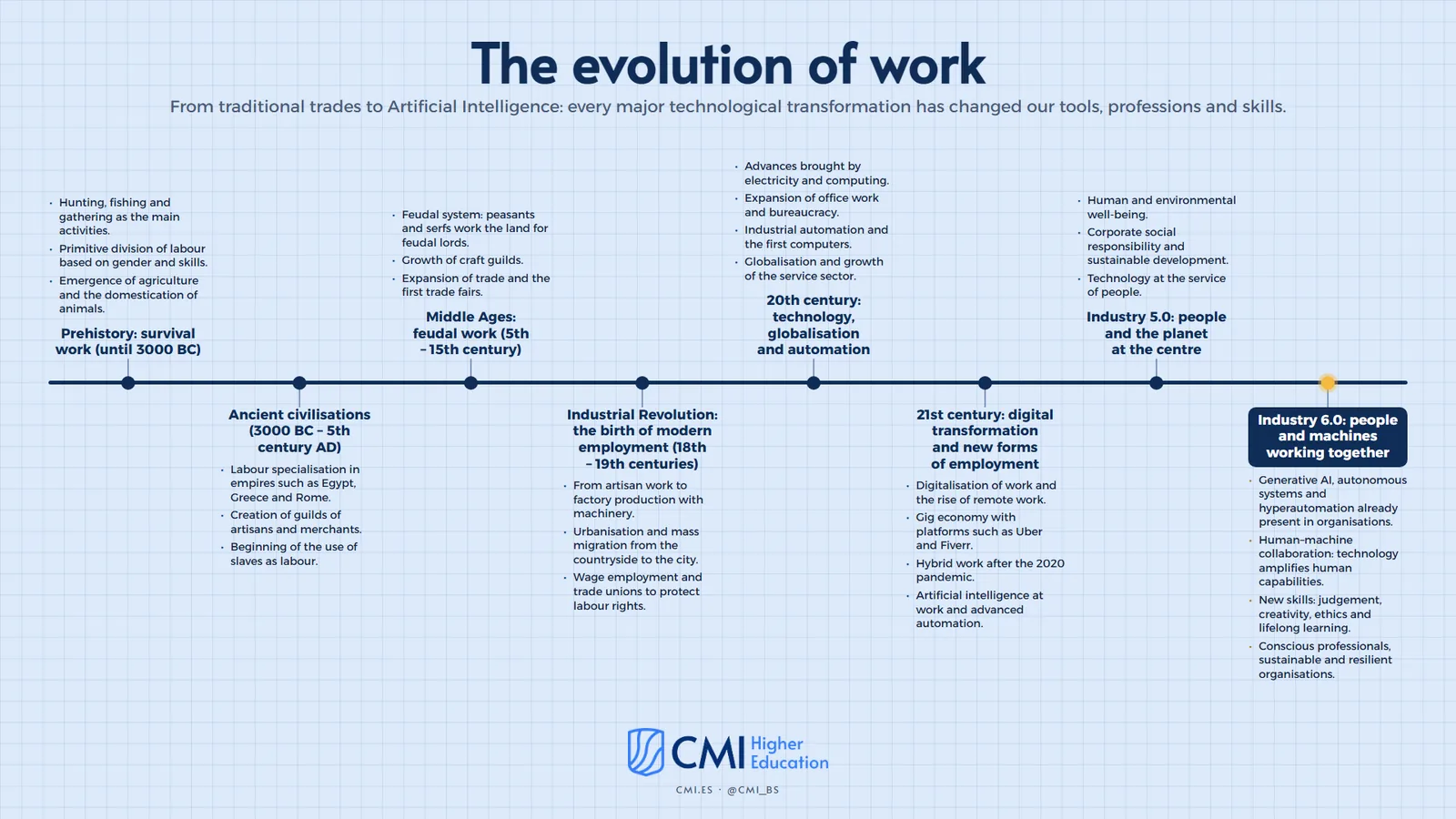
In these times of change, we say again and again — in relation to corporate social responsibility (CSR) — that shifting social values have placed enormous pressure on the competitive environment in which companies operate, and that only those working simultaneously across the social, economic and environmental dimensions will survive. The companies that come through this period, consolidate their position and succeed will be the ones that work on all three and make them add value to the business. We have entered the “new era of CSR” in earnest.
Whenever I speak about CSR and branding, I find myself returning to something that may seem obvious: responsibility and reputation are not only corporate. There is personal responsibility, personal reputation and personal brand too. We should all be attending daily to how well we manage our own responsibilities. If companies devote part of their resources to developing their CSR, why shouldn’t those of us who work inside them do the same, and give time and effort to our personal brand? And to our reputation?
Individual social responsibility is the ethical conduct of a citizen towards themselves and towards the world around them, and it goes well beyond meeting legal obligations. Personal social responsibility (PSR) arises from recognising the power each of us has to influence others through our actions, and from accepting and committing to use that power to improve our community and our relationships in a way that lasts.
Just as it is essential for a company to understand the views of every stakeholder group it deals with, so it is for us in our daily lives. We need to pay close attention to all the groups we interact with day to day.
When we are looking for work, for instance, we concentrate on giving visibility to our skills and abilities — our personal brand. Once we have the job, we concentrate on positioning ourselves so that we are considered for future promotion. And if we lead a team, we worry about motivating them. We also try to manage our family relationships well: we indulge them, care for them, listen to them. And it is through communication that our messages reach the audience we intend.
It is telling, is it not, that these days the barometer of a failing marriage between two celebrities who have just separated turns out to be the number of months that had passed without them appearing on social media to show the world their undying love.
As social beings, we feel under pressure to appear happy, and we need to feel part of the groups we belong to. But why do we tend to overvalue what we are not and undervalue what we are? That is why, exactly as in a company, individual responsibility calls for honest self-assessment, so that we can understand our own capabilities and build on them.
Try a personal SWOT analysis — I would encourage you to — and ask the people around you how they perceive you: family, friends, colleagues, managers, employees. You will be surprised. You will have a very clear picture of what you project, and you will be able to work with it to grow personally and professionally.
And if you set yourself objectives, take the time to check whether you have met them; if you have not, think carefully about why.
If branding is the management of a brand, why do we not do personal branding? Why do we not look after our own brand coherently and consistently, and project a considered image to the world?
What matters is not the quantitative but the qualitative. It counts for little that a company does great things for the world around it if its stakeholders neither notice nor value them. We have moved from “you can’t make a silk purse out of a sow’s ear” to “it is not enough to be good — you have to be seen to be good”. We must therefore work at our reputation constantly, coherently and sustainably. An interesting challenge in this age of communication, digital channels and transparency.
Blanca Hernanz Bodero is a specialist in e-business, strategic management and social leadership. She has served as director of communication, of the chairman’s office and of social action at Bankinter. She also lectures at CMI Higher Education on branding and CSR, corporate reputation and brand management.