
In recent years the psychological processes that bear on psychosocial well-being in organisations have become one of the most heavily studied subjects in the field. It is no surprise, then, that among the most important lines of research have been psychosocial risk factors and the relationship between the individual and the organisation, together with how such risks are prevented and addressed.
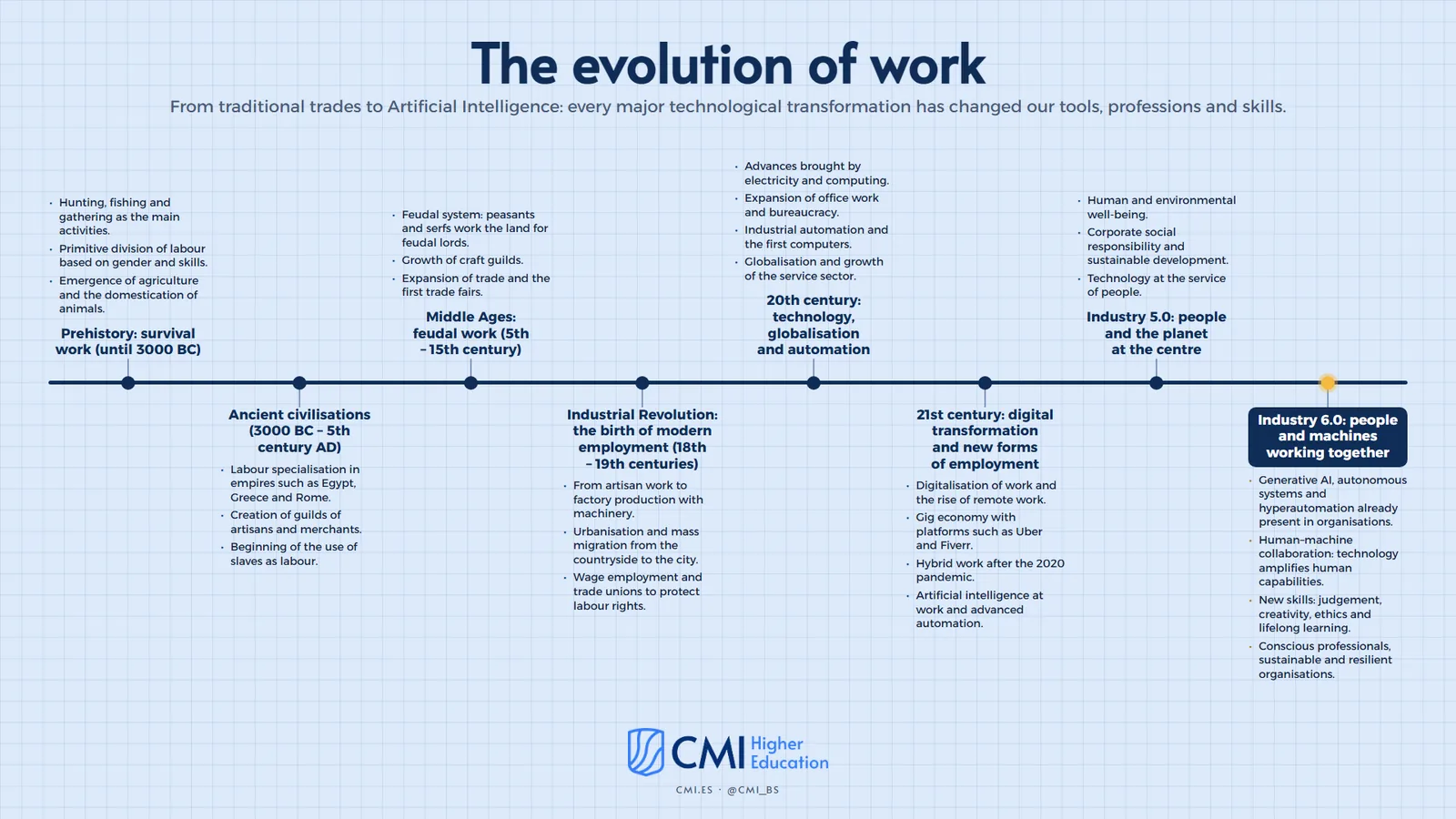
We are living through a period of considerable change, one that creates new challenges for people and organisations alike — from the way work is designed, organised and carried out to social, economic and technological shifts. These changes demand that we broaden our capabilities if we are to succeed professionally, and that we have the resources to meet them. All of it alters how we used to think of traditional work and calls for greater coping skills. The result is more stress, and stress has become one of the psychosocial risks of this century.
As those responsible for talent and for human work, and committed to safeguarding the well-being of our colleagues, we cannot disregard these “risks”, since they have negative effects on workers’ physical and mental health. But if we give them attention and care, the results can be very favourable for people and organisations both. Everything capable of affecting our workers’ safety and health should be where we direct our efforts. If workers lack the harmonious context they need in order to do their jobs, the result will not be the one hoped for. Hence the importance of what we do, and our responsibility for safeguarding our workers’ psychological, social and physical health, so that the technical system of the organisation functions properly.
It is important to stay alert to any risk that might endanger workers’ psychological or physical health. Psychosocial risks have a considerable bearing on a company’s daily life, and it is therefore necessary to be aware of them and to act at the right moment.
Psychosocial factors have been defined by the European Agency for Safety and Health at Work as “those aspects of the design, organisation and management of work, and of its social environment, which may cause psychological, social or physical harm to workers’ health”. They can produce cognitive, emotional and behavioural problems which may in turn lead to physical and mental health problems, caused or aggravated by the conditions in which the work is carried out.
The important thing to bear in mind is that psychosocial risks do not affect the individual in isolation; they also affect organisations, with consequences for how they function and for their productivity, effectiveness and efficiency. Internally they lower performance at work, satisfaction and motivation, and raise rates of absenteeism, accidents and staff turnover. Those consequences extend to lost productivity and effectiveness, minor accidents and damage to materials, machinery and tools, as well as to behaviour directed against the organisation’s interests — including its image, its reputation, its customers and its internal relationships.
The World Health Organization (WHO) estimates that more than 25% of the population will suffer some mental health disorder at some point in their lives, making it the second leading cause of illness and incapacity in Europe by 2020.
Given the effect they have on organisations, investing in psychosocial prevention is critical. Every organisation ought to make these questions a priority: to watch for them so they can be detected early, to put methodologies in place, and to provide appropriate psychological coping strategies, techniques and plans that help us prevent, counter or remove them from our working lives, and so head off psychological disorders and their after-effects.
Productivity should therefore be seen as the result of how human talent performs. Every intervention to improve productivity in an organisation has its origin in people (Singh, 1998; Cox and Rial-González, 2000). People must be the first objective of an organisation’s managers.
Developing a culture of organisational health — one that places value on the public, the social and the organisational — has become critical.
I would cite the WHO’s formulation that “the wealth of business depends on the health of workers”, since it reflects how our concept of occupational health has evolved, moving from an exclusive emphasis on physical matters to include psychosocial factors and personal health practices.
The workplace is increasingly being used as a setting for health promotion and preventive health activity — not only to prevent accidents at work, but as a space for assessing and improving people’s general health.
While it is encouraging that more and more organisations are attending to care that goes beyond their employees’ physical condition, a great deal remains to be done, and to be understood, when it comes to caring for human beings for their humanity rather than for the economic productivity they may deliver.
Fabiana Eda Mateo Ruiz, graduate of the Master’s in Human Management and Organizational Development at CMI.